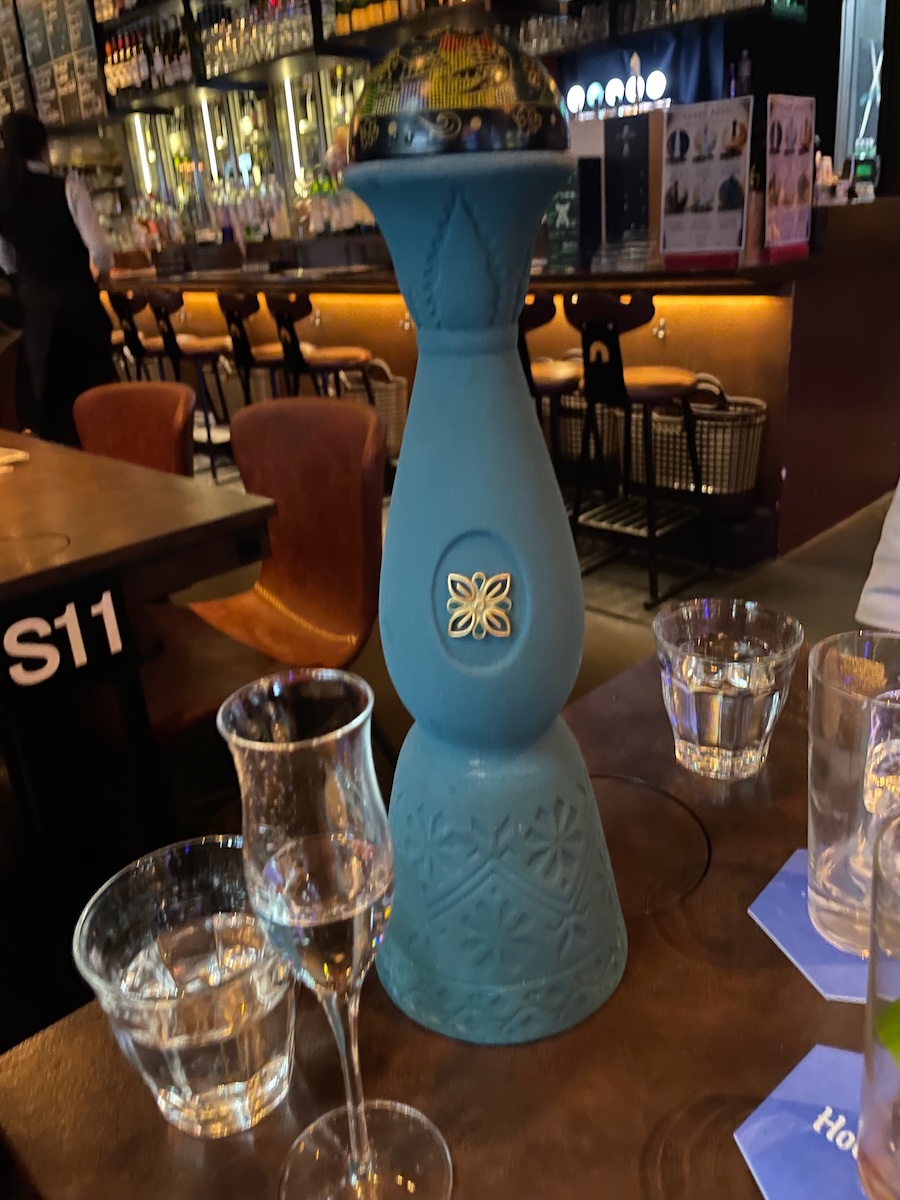
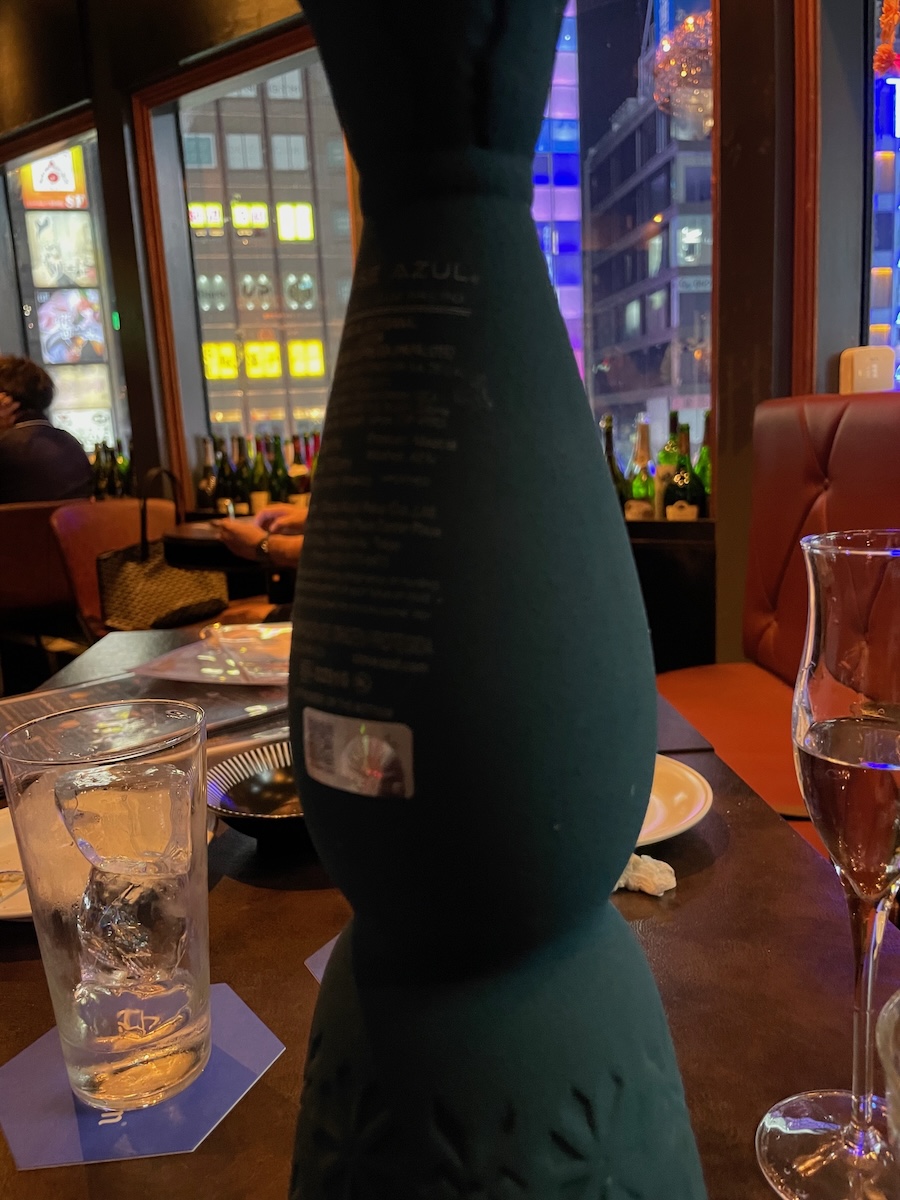
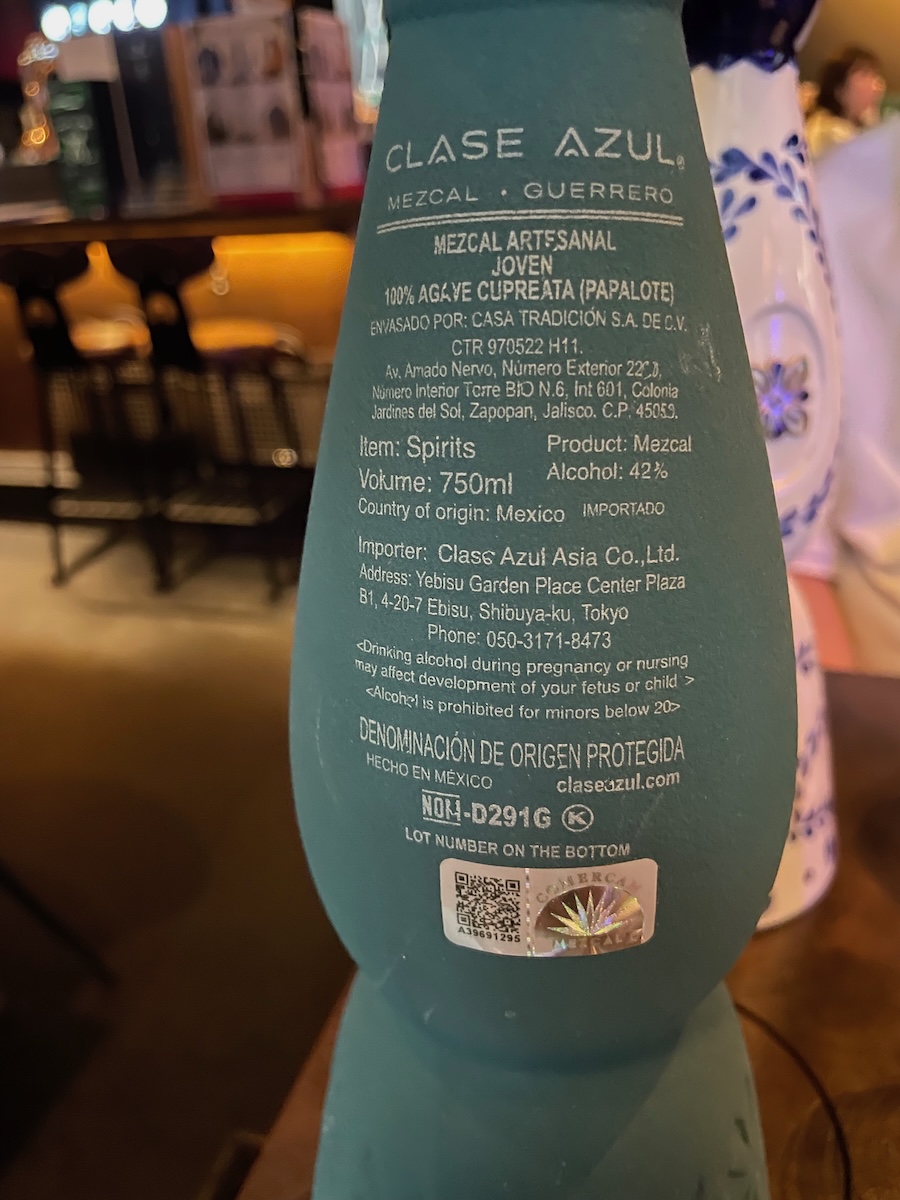
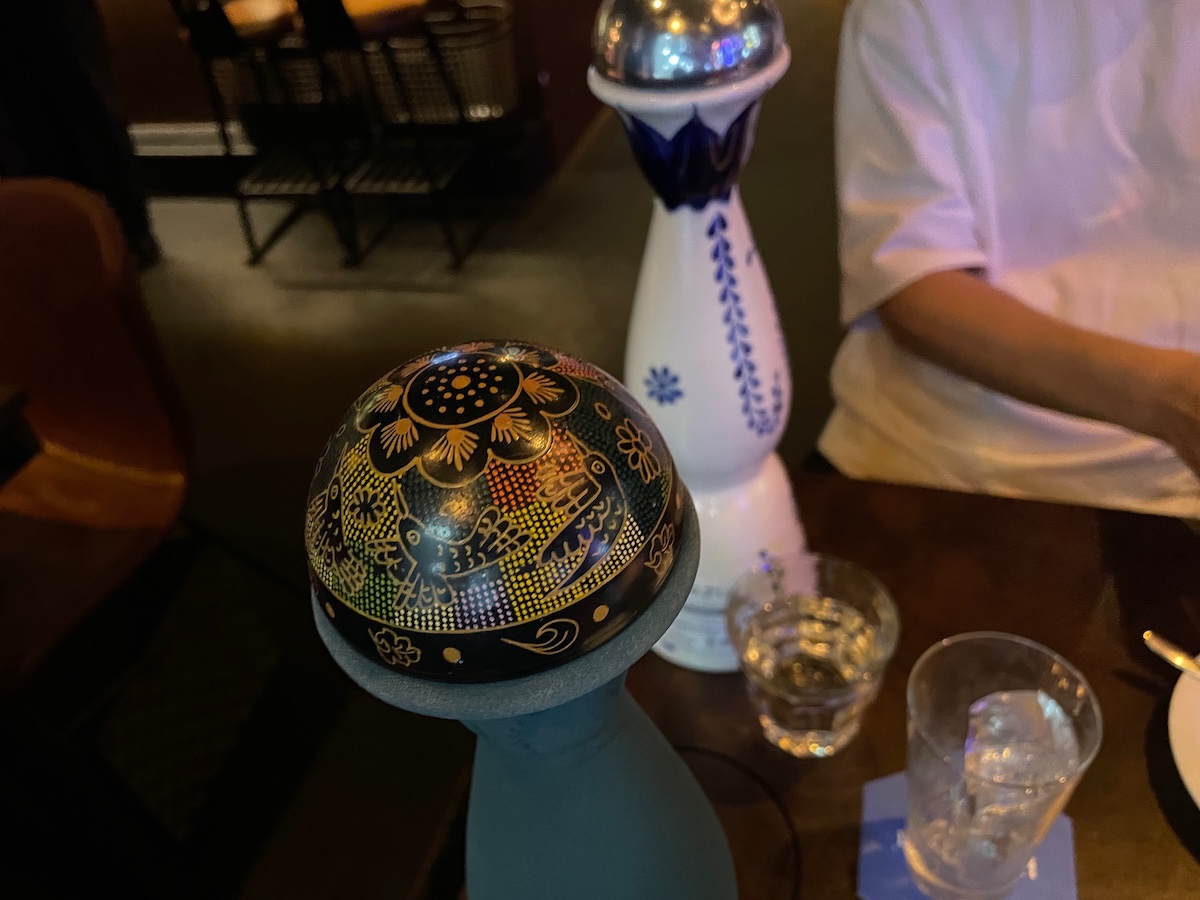
I paid 4,000 yen for a single glass of tequila — well, technically mezcal. The price surprised me, but the flavor surprised me even more. It had such a deep and complex character that chugging it down would have felt like a complete waste.
My impression?
It was like this:
Imagine a young cask of Caol Ila (Less than 5 Year Old) sitting in an underground warehouse next to a huge sack of garlic. One night, a fire breaks out and the building upstairs burns to the ground. The underground cellar somehow survives without the flames reaching it, but the flavor of the Caol Ila is no longer the one everyone knows. And yet… when you drink it, it’s somehow incredibly delicious ^_^
That’s honestly the kind of impression it gave me.
According to Google AI:
Tequila is a type of mezcal. The major differences lie in the type of agave used and the production method. Tequila is made only from a specific variety of agave grown in limited regions and is generally steamed in modern ovens, while mezcal can be made from many different agave varieties and is traditionally roasted in underground pits, giving it its characteristic smoky flavor.
1. Types of agave used
Tequila: By law, tequila must be made only from Blue Agave (Agave Azul), primarily grown in five designated Mexican states, especially Jalisco.
Mezcal: Mezcal is produced in nine designated Mexican states and can be made from dozens — even hundreds — of agave varieties. Because of this diversity, terroir and regional character are strongly reflected, much like wine.
2. Production process and flavor differences
Tequila: The agave is usually steamed in large industrial ovens or pressure cookers to extract sugars, resulting in a cleaner and fresher agave sweetness.
Mezcal: Traditionally, the agave is slow-roasted in underground pits lined with wood and volcanic stones. This process creates the bold smoky character reminiscent of peated whisky.